Introduction — a quick scene, a fact, and the question
I remember watching a patient lean into an infrared bed with cautious hope, clutching the hospital gown like a lifeline—those moments stick with me. Infrared beds are showing up everywhere: clinics, spas, sports centers (and yes, even in pro-recovery suites). Recent surveys report growing demand — roughly 34% more clinics offered red-light services this year — so the practical stakes are rising fast. What makes one red light experience feel restorative while another feels gimmicky and cold?
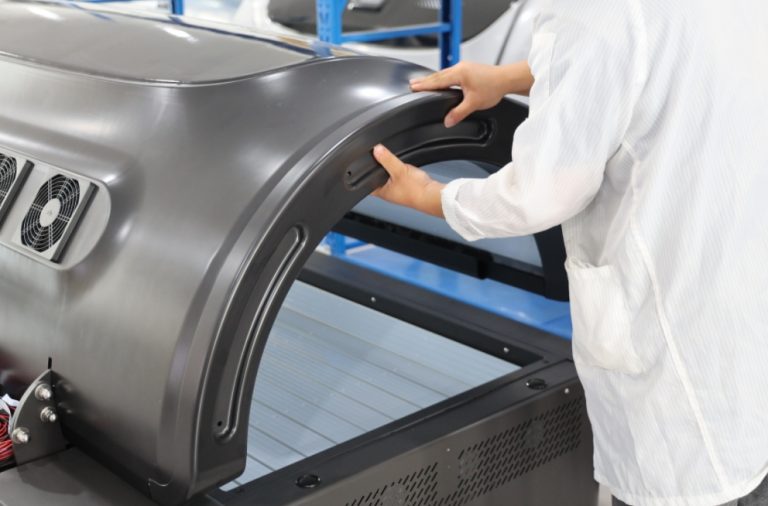
As a product manager and someone who spends too many late nights sketching control panels, I focus on user needs first. That means thinking about comfort, safety, and real outcomes — not just the glossy brochure. I’ll walk you through how I see the problem, the hidden frustrations users don’t say out loud, and what tech principles will actually fix them. (Spoiler: it’s not just brighter LEDs.)
Below I outline concrete flaws in common designs, then move into the new principles that can make a red-light solution feel thoughtful and reliable—so keep reading for an actionable roadmap.
Part 2 — Where common designs break down (a technical look)
I want to start this section with a clear link to the focal device: the red light chamber. When I inspect units on the floor, I usually see the same technical compromises. Designers chase higher irradiance and tighter costs, but they ignore thermal drift, sensor placement, and power stability. Those trade-offs create inconsistent outcomes—users leave wondering if the treatment “worked.”
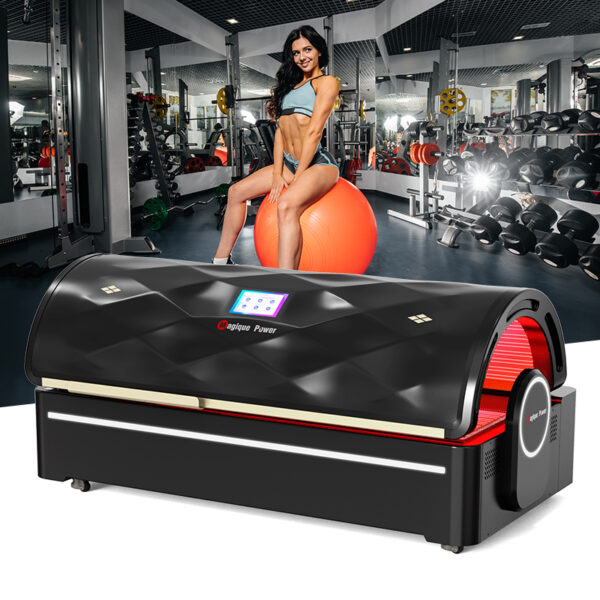
Technically speaking, the issues come down to three system failures: poorly integrated infrared emitters, weak wavelength calibration, and uneven heat control. Many units use cheap power converters that can’t keep an LED array operating at stable output, and thermistor sensors are often tucked away where they read air temperature instead of skin temperature. Edge computing nodes are rarely used to monitor sessions in real time, so a drop in output goes unnoticed—funny how that works, right?
Why do users notice and operators miss it?
Look, it’s simpler than you think: users judge the experience by sensation and consistency. If one session feels warm and productive and the next feels lukewarm with less benefit, they lose trust. Operators, juggling schedules and maintenance, see only uptime metrics. That disconnect—between user-perceived efficacy and engineering metrics—is the root pain. I’ve seen clinics replace lamps instead of fixing control loops; that’s a band-aid, not a solution. The result is frustrated users and wasted maintenance budgets.
Part 3 — New technology principles that actually improve outcomes
Shifting forward, I want to explain the engineering principles that would have changed those failed designs. Start with closed-loop control: combine precise thermistor sensors, real-time edge computing nodes, and adaptive current regulation so the system keeps irradiance within a therapeutic band. That means the red light chamber does more than emit photons—it actively maintains a consistent treatment profile for every session.
Next, focus on modular hardware. Use replaceable LED arrays with standardized connectors and reliable power converters that support active monitoring. We should also apply simple UX fixes: session previews, gradual ramp-up of intensity, audible and haptic cues for comfort. These choices lower cognitive load for users and reduce operator errors—small changes, big trust dividends. I’m optimistic here; these fixes are practical and testable.
What’s next for clinics and designers?
Measure what matters: skin-level irradiance, session repeatability, and user comfort scores. If you’re evaluating solutions, ask whether the system reports live sensor data and uses current regulation to keep output stable. I’ve helped teams implement these checks—when they do, drop-off rates fall and word-of-mouth improves. — sometimes the simplest metric tells the whole story.
To sum up: fix the sensing, stabilize the power, and design the session for the human sitting in the bed. Those are the lessons I keep coming back to, and they lead to measurable improvements in repeat use and satisfaction. For teams building or choosing systems, keep a sharp eye on those engineering and UX levers. If you want a real-world partner that understands both hardware and the human side, consider exploring options from Magique Power.