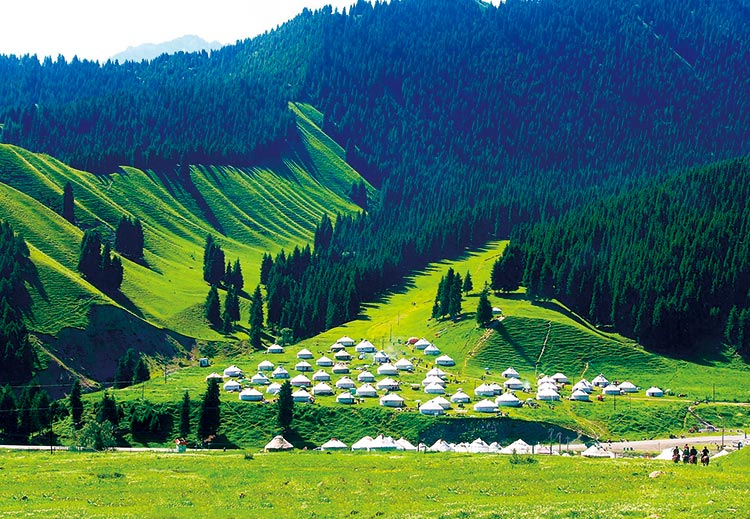
Xinjiang, with its breathtaking landscapes and rich cultural heritage, is becoming an increasingly popular travel destination. From the towering peaks of the Tianshan Mountains to the vast deserts and ancient Silk Road cities, the region offers a unique blend of nature, history, and culture. However, as tourism grows, the environmental and cultural impacts on the region are becoming more pronounced. Sustainable travel is critical in preserving 新疆旅遊攻略 Xinjiang’s delicate ecosystems, protecting its cultural heritage, and ensuring that tourism benefits local communities. This article explores ways to travel sustainably in Xinjiang, offering practical tips on minimizing your environmental footprint, supporting local economies, and contributing to the preservation of the region’s natural and cultural treasures.
- Respect Local Cultures and Traditions
Xinjiang is home to a variety of ethnic groups, including Uyghurs, Kazakhs, Hui, and others, each with its own unique customs, languages, and ways of life. As a traveler, respecting these diverse cultures is one of the most important ways to ensure that your visit has a positive impact. Cultural sensitivity should be at the forefront of your travel practices. For example, when visiting religious sites like mosques or Uyghur homes, it is essential to dress modestly and seek permission before taking photos. Additionally, learning a few basic phrases in Uyghur or Mandarin can show respect for the local language, enhancing your interactions with the people you meet. Avoid engaging in behavior that could be perceived as disrespectful, such as barging into ceremonies or markets without regard for local customs. By fostering mutual respect, you contribute to a more harmonious experience for both visitors and locals.
- Choose Eco-Friendly Transportation
The vastness of Xinjiang means that getting around often requires long distances to be covered, especially if you plan to explore both the northern and southern parts of the region. However, the transportation choices you make can have a significant impact on the environment. When possible, opt for public transportation or shared rides, as these options help reduce carbon emissions compared to driving a private vehicle. For longer distances, consider traveling by train, which is a more energy-efficient method of transportation compared to flying. Xinjiang’s train network offers comfortable and scenic routes that pass through diverse landscapes, giving you a more eco-friendly option while exploring the region. In urban areas like Urumqi, using public buses, electric taxis, or even bicycles can reduce your environmental footprint, while allowing you to experience the local culture in a more intimate way.
- Support Local, Sustainable Businesses
One of the most effective ways to minimize your impact while traveling is by supporting businesses that prioritize sustainability and local traditions. When shopping in Xinjiang’s markets or dining in local restaurants, look for vendors who sell handmade crafts, locally sourced products, and organic produce. Supporting local artisans who create traditional Uyghur carpets, silk, and jade jewelry helps preserve traditional crafts while benefiting the local economy. Additionally, many farmers’ markets in Xinjiang focus on selling local produce, including grapes, pomegranates, and nuts, which are cultivated with minimal pesticide use. By choosing these sustainable products, you reduce the demand for mass-produced goods that often have a more significant environmental impact. Many of these markets also support fair trade practices, ensuring that local communities are fairly compensated for their work.
- Minimize Plastic Waste
Xinjiang, like many parts of the world, faces challenges related to plastic pollution. To help reduce your environmental impact, it’s important to minimize your use of single-use plastics during your travels. Carry a reusable water bottle, which you can refill at public water stations or in local restaurants, reducing the need for bottled water. In addition, bring your own shopping bags when visiting local markets, and avoid purchasing products wrapped in excessive plastic. Many regions, including Xinjiang, have begun to implement waste reduction programs, but the best way to contribute is by being proactive about your own waste. Additionally, choose accommodations that practice sustainable waste management and make efforts to reduce plastic waste. Many eco-conscious hotels in Xinjiang offer composting programs or water-saving initiatives, and staying at these places directly supports sustainable practices.
- Conserve Water and Energy
Xinjiang is home to arid deserts and expansive mountains, where water is a precious resource. In many parts of the region, water conservation is a necessity due to the semi-arid climate. As a visitor, you can make a significant contribution to conserving water by taking simple steps. Take shorter showers and avoid leaving the water running unnecessarily. In some remote areas, water may be collected through traditional methods, such as irrigation systems and water channels, so it’s important to be mindful of local resources. Additionally, many rural accommodations and farms in Xinjiang rely on solar energy for power. If staying in these eco-friendly locations, try to use electricity efficiently by turning off lights and unplugging devices when not in use. This small but meaningful action helps support the sustainable energy initiatives that are becoming more widespread throughout the region.
Conclusion: Embracing Sustainable Travel in Xinjiang
Xinjiang is a region of immense beauty and cultural richness, and traveling there responsibly ensures that it remains preserved for future generations to enjoy. Sustainable tourism not only minimizes environmental damage but also supports local communities and cultures, making your travels more meaningful. By respecting local traditions, choosing eco-friendly transportation, supporting sustainable businesses, reducing waste, and conserving resources, you can play a part in protecting this incredible region while enjoying all that it has to offer. Whether you’re exploring the ancient city of Kashgar, hiking in the Tianshan Mountains, or enjoying the serene beauty of Heavenly Lake, sustainable travel allows you to connect with Xinjiang in a way that respects both its people and the environment. Let us all commit to traveling responsibly, ensuring that Xinjiang’s natural and cultural treasures remain intact for generations to come.