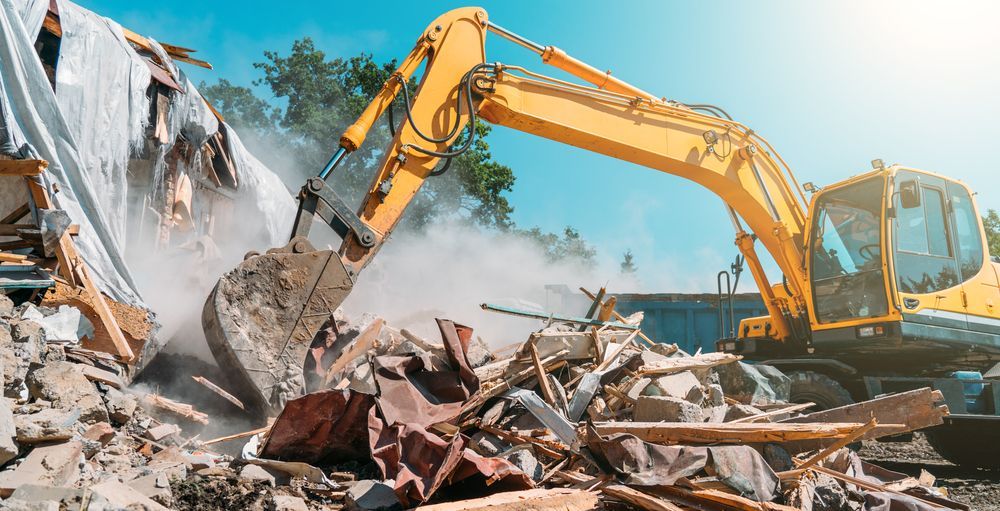
The process of large-scale building demolition is a complex and carefully coordinated procedure that involves several stages. From initial planning to the final clearing of the site, each step must be meticulously executed to ensure safety, environmental compliance, and cost-effectiveness. Whether the goal is to clear space for new construction or to ทุบตึกฟรี remove a deteriorating or unsafe structure, a demolition project requires the expertise of engineers, contractors, and specialized equipment. The entire process, though potentially hazardous, is managed with the utmost attention to detail to minimize risks to workers, surrounding properties, and the environment.
The first step in a large-scale demolition project is thorough planning and preparation. This phase begins with a detailed inspection of the building, including its structural integrity, materials, and any potential hazards. Engineers assess the building’s design to determine the safest and most efficient way to bring it down. They also identify hazardous materials like asbestos, lead paint, or chemicals that need to be removed or dealt with in a specific manner before the demolition begins. A demolition plan is then developed, outlining the techniques, equipment, and timeline for the entire project. Permits must be obtained from local authorities, and safety regulations must be carefully followed. Environmental considerations, including waste management and recycling, are also factored into the planning stage to minimize the ecological impact of the demolition.
Once the planning is complete and permits are in place, the next step involves securing the site and preparing it for demolition. This includes setting up safety measures, such as barricades, warning signs, and protective equipment for workers. If the building is in a densely populated area, measures are taken to minimize disruption to surrounding buildings, streets, or businesses. In some cases, the building may be temporarily vacated to ensure that no occupants are inside during the demolition. Utilities like electricity, gas, water, and sewage are disconnected, as these can pose serious safety risks if not properly shut off before demolition begins. Depending on the scale of the project, adjacent structures may also need to be reinforced to prevent collateral damage during the process.
The next phase is the actual demolition itself. Depending on the size and nature of the building, various methods may be used, such as mechanical demolition, implosion, or deconstruction. Mechanical demolition involves the use of large equipment like excavators, bulldozers, and cranes to dismantle the structure piece by piece. This is the most common method for buildings of moderate size. For larger or more complex structures, controlled demolition techniques such as implosion may be used. Implosion involves the strategic detonation of explosives that bring down the building in a controlled manner, often in a matter of seconds. This technique is carefully planned to ensure the structure falls inward, minimizing damage to surrounding properties. Deconstruction, on the other hand, is a more environmentally friendly and labor-intensive method that involves carefully dismantling the building by hand in order to salvage as many materials as possible for reuse or recycling.
Following the demolition, the site must be cleared of debris, and materials are sorted for disposal or recycling. Concrete, steel, wood, and other materials are often salvaged and sent to recycling facilities, where they are processed and repurposed for future construction projects. This phase also involves handling hazardous materials that may have been found in the building, such as asbestos or lead-based paints, which must be removed and disposed of according to strict safety regulations. Environmental considerations continue to play an important role during this stage to reduce the amount of waste sent to landfills and to ensure that materials are disposed of responsibly. The final clearing of the site leaves behind a clean, empty lot that can be used for new construction or redevelopment.
Finally, after the demolition and site clearance, the post-demolition phase focuses on ensuring the area is prepared for future use. This may involve soil testing to ensure the land is free from contamination, especially if the building had hazardous materials. In some cases, the foundation of the demolished building may remain and be reused for new construction, saving on costs and materials. The lot is then leveled, and infrastructure such as roads, utilities, and drainage systems may be installed in preparation for future development. The entire demolition process, from planning to final site preparation, can take several weeks or months, depending on the scale of the project and the specific methods used. Overall, the step-by-step process of a large-scale building demolition ensures that the project is carried out safely, efficiently, and with minimal environmental impact, setting the stage for new developments that contribute to the revitalization of the area.