As the global obesity plague continues to rise, the search for effective weight management solutions hasn’t been more critical. Semaglutide, a medication initially developed for type 2 diabetes, has emerged as a groundbreaking treatment that is transforming the landscape of obesity management. This blog explores how semaglutide is reshaping the future of weight management, its relation to treatment strategies, and what this implies for patients and healthcare providers.
Understanding Semaglutide’s Role in Weight management
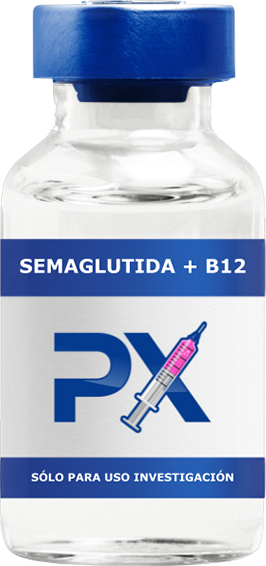
What is Semaglutide? Semaglutide is a glucagon-like peptide-1 (GLP-1) receptor agonist that mimics the effects of the natural hormone GLP-1. This hormone semaglutida colombia precio is involved in regulating blood sugar levels, appetite, and satiety. Originally approved for managing type 2 diabetes, semaglutide has shown remarkable efficacy in promoting weight loss, leading to its use as a treatment for obesity.
Mechanism of Action Semaglutide’s weight management benefits base from its power to influence appetite and diet. By triggering GLP-1 receptors, semaglutide enhances insulin secretion, reduces glucagon release, and slows gastric emptying. These effects contribute to a reduction in hunger, prolonged satiety, and a loss of calorie consumption, all of which are critical for effective weight loss.
The Impact of Semaglutide on Obesity Treatment
Significant Weight loss Results Semaglutide has demonstrated impressive results in clinical assessments for weight management. In studies, patients treated with semaglutide achieved an average weight loss of approximately 15% of their body weight over 68 weeks. This level of weight loss is a significant improvement over other weight loss medications and underscores semaglutide’s effectiveness.
Improved Metabolic Health Beyond weight loss, semaglutide has been shown to improve various issues with metabolic health. Patients using semaglutide have seen savings in blood pressure, improvements in cholesterol levels, and enhanced overall metabolic profiles. These benefits contribute to a lesser risk of obesity-related conditions such as type 2 diabetes and heart problems.
Convenience and Adherence Semaglutide offers flexible dosing options, including a once a week injection and a daily oral formulation. This flexibility enhances patient convenience and can improve medication adherence. The ability to select from different products helps accommodate individual preferences and lifestyle needs, making it easier for patients to integrate semaglutide into their weight management plans.
Semaglutide’s Role in the future of Weight management
Integration with Comprehensive Weight management Plans The future of weight management is moving towards a more integrated approach that combines pharmacological treatments with lifestyle changes. Semaglutide plays a critical role in this paradigm by supporting weight loss efforts through medication while patients also engage in healthy eating, regular physical activity, and behavioral modifications.
Personalized Treatment Approaches As the understanding of obesity evolves, personalized treatment plans are becoming more prevalent. Semaglutide’s role in weight management will increasingly involve tailoring treatment to individual needs, including factors such as genetic predisposition, comorbid conditions, and patient preferences. Personalized approaches ensure that patients receive the most effective and appropriate care for their unique circumstances.
Advancements in Obesity Research Ongoing research is exploring new ways to improve the efficacy of semaglutide and other weight loss treatments. Studies are investigating optimal dosing strategies, long-term effects, and potential products with other medications or interventions. These advancements will further improve obesity management and expand the opportunity available to patients.
Addressing the Global Obesity Plague Semaglutide represents a significant advancement in addressing the global obesity plague. By providing an effective tool for weight loss and improved metabolic health, semaglutide contributes to broader efforts aimed at combating obesity and its associated health risks. Its impact lengthens beyond individual patients to influence public health strategies and healthcare policies.
Challenges and Considerations
Potential Side effects While semaglutide is generally well-tolerated, it may cause side effects such as gastrointestinal symptoms (nausea, vomiting, diarrhea) and, in rare cases, pancreatitis or thyroid tumors. Patients should be informed about these potential risks and monitored regularly by healthcare providers to manage any adverse effects.
Cost and Accessibility The cost of semaglutide and its accessibility can be significant factors in its widespread adoption. Efforts to improve price and availability are necessary to ensure that patients who could benefit from this medication have access to it. Insurance coverage and healthcare policies will play a critical role in making semaglutide more accessible to a broader population.
Behavioral and Lifestyle Factors While semaglutide works in promoting weight loss, it is not a standalone solution. Long-term success in weight management requires ongoing commitment to healthy lifestyle changes, including diet, exercise, and behavioral solutions. Integrating semaglutide using these lifestyle interventions enhances its effectiveness and supports sustained weight loss.
Conclusion: Looking at the future of Weight management with Semaglutide
Semaglutide is revolutionizing the future of weight management by offering a powerful and effective tool for treating obesity. Its significant relation to weight loss, combined with improvements in metabolic health and flexibility in dosing, positions it as a leading option in the fight against obesity.