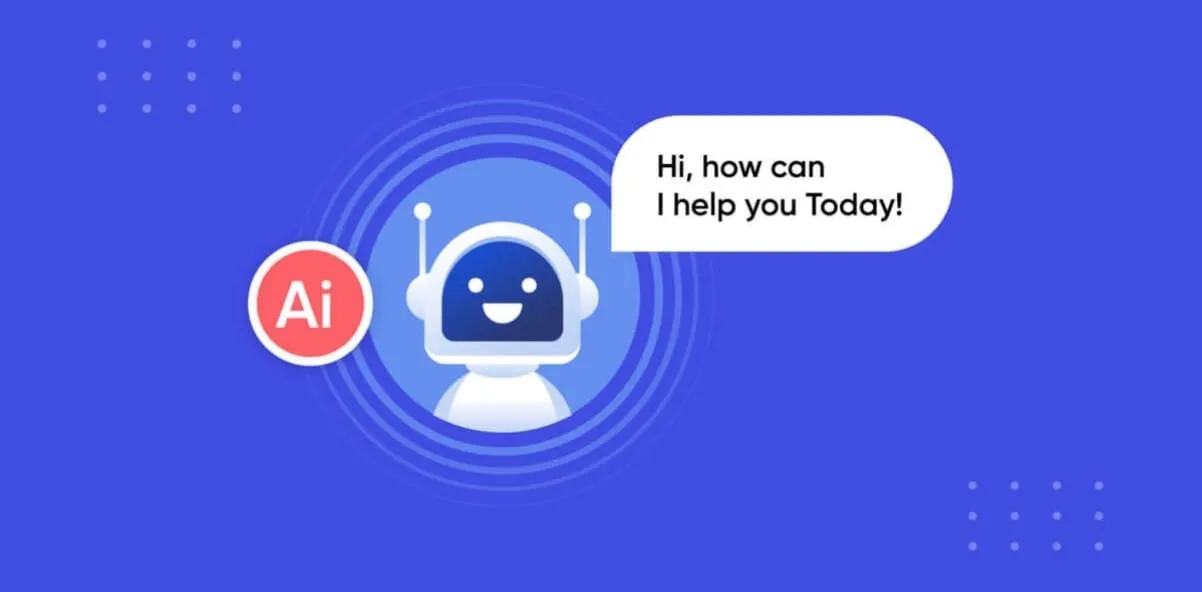
AI chat technology has gone from science fiction to everyday reality in just a few short years. Whether you’re asking Siri for directions, chatting with a virtual assistant on a website, or using AI to draft messages, machine-powered conversations are now spicy chat part of our daily routines. As these systems become increasingly sophisticated, it’s worth exploring both the benefits and the potential drawbacks of relying on machines to communicate on our behalf.
One of the most significant advantages of AI chat technology is its ability to provide instant, around-the-clock support. Unlike human employees, AI chatbots don’t need sleep or breaks—they’re available 24/7 to answer questions, solve problems, or guide users through processes. This is especially beneficial for businesses looking to scale customer service without drastically increasing staff. Customers also appreciate the immediate responses, particularly during off-hours when live agents aren’t typically available.
Another key benefit lies in AI’s ability to handle repetitive tasks with consistent accuracy. AI chatbots can process and analyze vast amounts of data in real time, offering personalized experiences based on a user’s history, preferences, or behavior. For example, online retailers use AI chats to recommend products, track orders, or even handle returns—all without human intervention. This kind of automation boosts efficiency and can significantly improve user satisfaction by delivering fast, relevant interactions.
However, AI chat technology also comes with its challenges. One major concern is the lack of emotional intelligence and nuance in conversations. While AI can mimic empathy to some extent, it can’t fully understand context, sarcasm, or deep emotional responses the way a human can. This limitation can lead to frustrating user experiences, especially in sensitive situations where understanding and compassion are crucial—like healthcare or customer complaints.
Privacy is another pressing issue. AI chat systems often rely on collecting and analyzing user data to function effectively. While this can enhance personalization, it also raises concerns about how that data is stored, shared, and protected. Users may not always be aware of what information is being collected or how it’s being used. Without clear regulations and ethical oversight, there’s a risk of misuse or breaches that could compromise user trust.
In the end, AI chat technology offers powerful tools that, when used thoughtfully, can enhance communication, efficiency, and user experience. But like any technology, it must be used responsibly. Businesses and developers need to strike a balance between automation and human touch, transparency and innovation, convenience and privacy. As we continue talking to machines, it’s up to us to ensure that these conversations are ethical, inclusive, and ultimately beneficial for everyone involved.