Did you know that over 90% of large companies use an applicant tracking system (ATS) to filter job applications? That’s right! With such staggering numbers, it’s clear that ATS is a game-changer in recruitment. But what about its legal and regulatory attributes? Let’s dive into this fascinating world!
The Legal Framework Surrounding Applicant Tracking Systems
Applicant tracking systems are not just fancy software; they come with a host of legal regulations that organizations must adhere to. These systems help ensure compliance with various employment laws, like the Equal Employment Opportunity Commission (EEOC) guidelines. They also play a crucial role in protecting stakeholder rights by maintaining transparency throughout the hiring process. It’s essential for companies to understand their responsibilities when using these tools—after all, fair treatment should be at the forefront of any recruitment strategy.
Diving Deeper: HR Tracking System and Stakeholder Rights
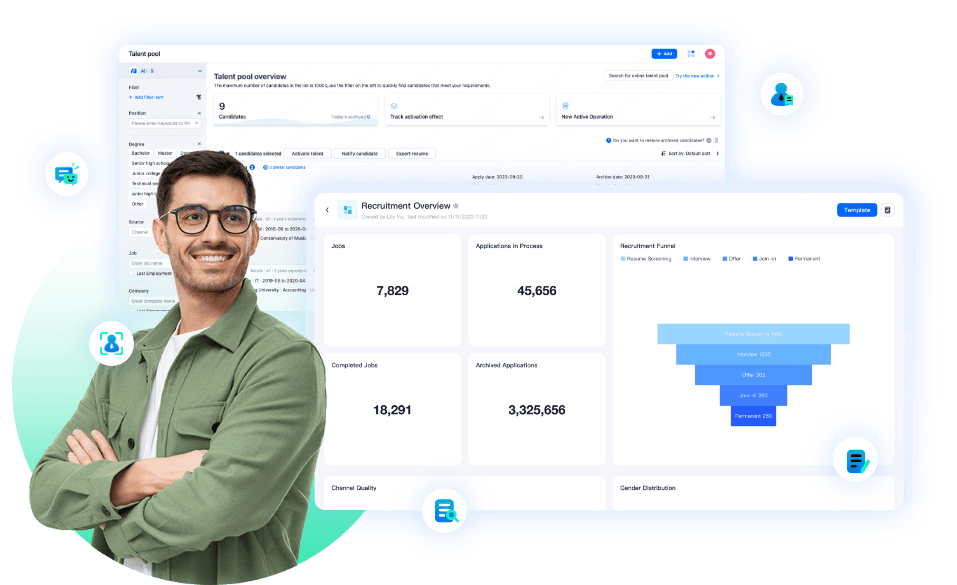
When we talk about hr tracking systems within the context of stakeholder rights and responsibilities, things get even more interesting! These systems are designed not only to streamline hiring but also to safeguard applicants’ data privacy and promote equal opportunity practices. For instance, they can track how many candidates from diverse backgrounds apply for positions while ensuring no bias creeps into selection processes. This means stakeholders—including both employers and potential employees—have clearly defined roles in upholding fairness during recruitment.
MokaHR’s Unique Features on Stakeholder Rights and Responsibilities
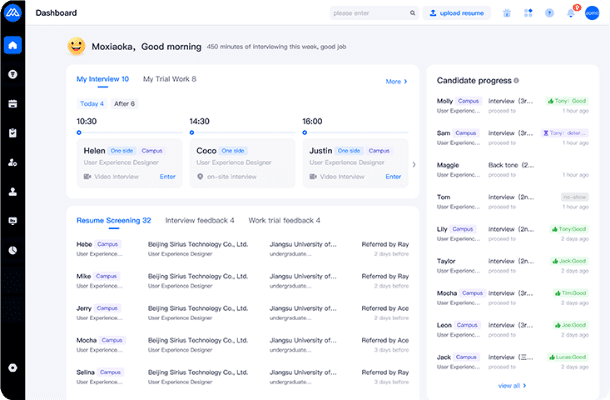
MokaHR stands out as an innovative player in this space with several key features focused on stakeholder rights:
- Data Privacy Compliance: MokaHR ensures all candidate information is stored securely following GDPR guidelines.
- User-Friendly Interface: The platform allows easy access for both recruiters and applicants, promoting transparency.
- Diversity Metrics: MokaHR provides analytics on diversity hiring efforts so organizations can assess their progress toward inclusivity.
- Audit Trails: Every action taken within MokaHR is logged, allowing stakeholders to review decisions made during the hiring process easily.
- Candidates’ Right To Access Data: Applicants can request copies of their submitted information anytime—a huge plus for accountability!
The Bottom Line
If there’s one takeaway regarding applicant tracking systems concerning stakeholder rights and responsibilities, it’s this: these tools have evolved beyond mere application sorting machines into vital components ensuring fairness in recruiting practices. By understanding their legal implications—and leveraging platforms like MokaHR—we’re taking significant steps towards creating equitable workplaces where everyone has a chance at success!