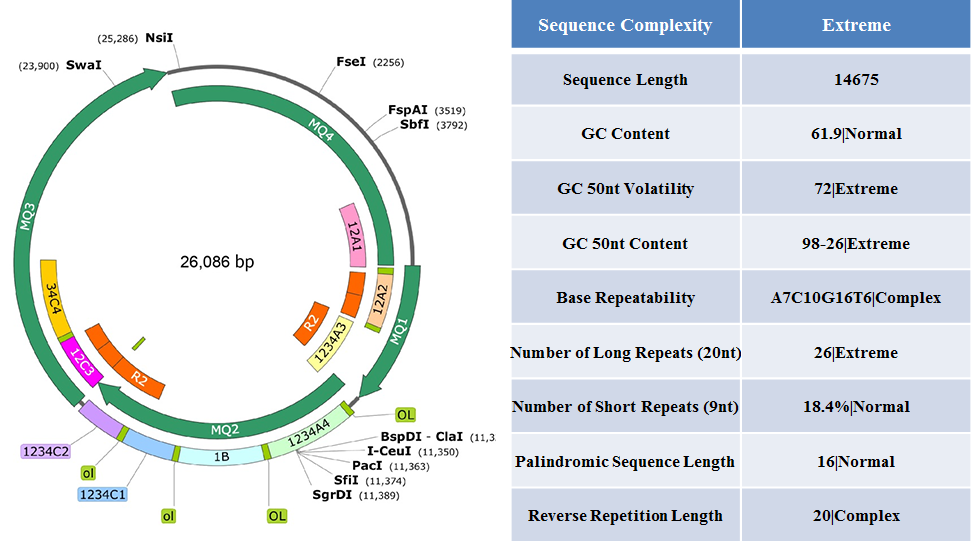
In recent years, the field of synthetic biology has witnessed an exponential growth in dna synthesis technology, with market projections estimating a value exceeding $5 billion by 2026. This staggering figure underscores the profound implications that advancements in DNA synthesis have not only for biotechnology but also for logistics and transportation systems.
The Fundamentals of DNA Synthesis Technology and Its Transportation Attributes
DNA synthesis technology refers to the artificial creation of nucleotide sequences that form the basis of genetic material. This innovative approach allows for precise manipulation and assembly of genes, which can be transported efficiently across various platforms. One notable characteristic is its ability to facilitate rapid scheduling and dispatching processes within supply chains; synthesized DNA can be produced on-demand, significantly reducing lead times associated with traditional biological materials. Consequently, this enhances operational efficiency while ensuring timely delivery to research facilities or manufacturing sites.
Custom RNA Synthesis: A Key Player in Scheduling and Dispatching
Custom RNA synthesis complements DNA synthesis by enabling tailored production of RNA molecules essential for diverse applications such as therapeutics and diagnostics. In terms of scheduling and dispatching, custom rna synthesis offers remarkable flexibility; it allows researchers to request specific sequences based on immediate project needs without lengthy wait times typically associated with conventional methods. Furthermore, advanced automation technologies streamline production workflows, thereby optimizing inventory management practices within laboratories or pharmaceutical companies.
The Role of Synbio in Enhancing Scheduling and Dispatching Efficiency
Synthetic biology (Synbio) plays a pivotal role in revolutionizing scheduling and dispatching through its integration with both DNA and RNA synthesis technologies. By employing modular design principles inherent in Synbio approaches, organizations can create standardized components that expedite development cycles. Additionally, real-time data analytics enable predictive modeling capabilities that enhance decision-making regarding resource allocation—ensuring timely availability while minimizing waste throughout the supply chain process.
Conclusion

In summary, the advancements brought forth by DNA synthesis technology are reshaping how we perceive transportation attributes within biotechnological contexts. With significant improvements observed in scheduling and dispatching mechanisms facilitated by both custom RNA synthesis and Synbio methodologies, it is evident that these innovations will continue to drive efficiencies across various sectors reliant on genetic engineering solutions.