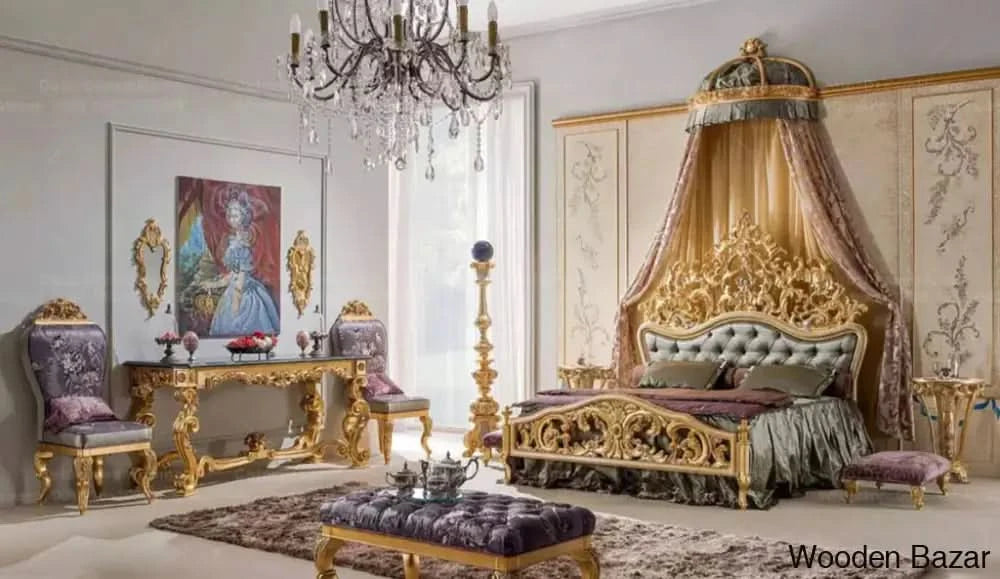
Mixing and matching furniture styles can transform your home into a unique, personalized sanctuary that reflects your tastes and creativity. Many shy away from bedroom furniture san jose combining different styles because they fear the outcome will look chaotic or disjointed. However, when done thoughtfully, mixing styles can add depth, character, and interest to any room. The key is to strike the right balance between harmony and contrast, allowing each piece to shine while creating a cohesive overall look.
The first step in mixing styles like a pro is to establish a unifying element that ties everything together. This can be a common color palette, consistent material, or a shared design detail. For example, you might mix a mid-century modern sofa with a rustic wooden coffee table, but keep the color scheme neutral with shades of gray, beige, and white. By having a visual thread running through your furniture choices, you prevent the room from feeling fragmented. This strategy ensures that despite the variety in styles, your space looks curated and intentional.
Next, pay attention to scale and proportion. Mixing large, bulky pieces with small, delicate ones can create an unbalanced appearance. Try to balance the visual weight of your furniture by pairing heavy, solid items with lighter, airier pieces. For instance, an oversized Chesterfield sofa can be complemented by slim, minimalist side chairs. Additionally, varying the heights and shapes of furniture can add visual interest without overwhelming the senses. This thoughtful approach helps maintain flow and ensures your room feels inviting rather than cluttered.
Texture plays a crucial role in blending different styles seamlessly. Combining diverse materials such as leather, velvet, metal, and wood adds layers of tactile richness and complexity to your space. A sleek leather armchair might contrast beautifully with a soft, plush rug, while a glass coffee table can balance a rough-hewn wooden bench. Mixing textures helps break up visual monotony and gives each element a unique place in the room’s composition. Just remember to keep the combinations balanced so that no single texture dominates.
Incorporating statement pieces is another great way to mix styles with confidence. These standout items—whether a bold vintage armchair, a sculptural lamp, or an eye-catching art piece—can act as anchors for the room’s design. Use them to introduce a style that contrasts with the rest of your furniture, adding excitement and personality. However, be careful not to overdo it; too many focal points can compete and make the space feel chaotic. One or two well-chosen statement pieces can elevate your mixed-style room from good to exceptional.
Lastly, don’t forget about accessories and décor to tie everything together. Rugs, pillows, artwork, and lighting fixtures can bridge different styles by repeating colors, patterns, or textures found in your furniture. For example, a bohemian rug can soften a room dominated by modern and industrial furniture, while metal-framed mirrors can harmonize with both rustic and contemporary pieces. Thoughtful layering of accessories adds warmth and completeness to your space, making your mixed-style furniture feel cohesive and purposeful.