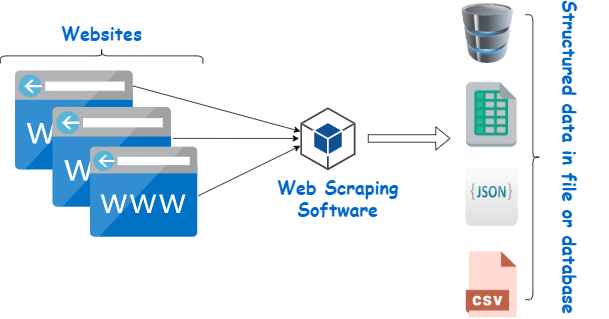
Web scraping is a powerful tool for extracting data from websites, enabling businesses, researchers, and developers to access valuable information from Screenshot API the web. However, it’s essential to approach web scraping ethically and responsibly to avoid potential legal pitfalls. Unauthorized scraping or scraping in violation of a website’s terms of service can lead to legal disputes, loss of access to data, and damage to a company’s reputation. In this article, we’ll explore key legal considerations and best practices to ensure your web scraping activities stay compliant with the law and respect the rights of website owners.
- Understand the Legal Landscape of Web Scraping
Web scraping exists in a complex legal landscape, and laws surrounding it vary from country to country. In the united states, for example, scraping can potentially violate laws such as the Computer Fraud and Abuse Act (CFAA), which prohibits unauthorized access to computer systems. Many websites also have Terms of Service (ToS) that explicitly prohibit scraping or crawling their content. Ignoring these terms can lead to legal action, especially if scraping is done at a large scale or for commercial purposes.
It’s important to note that not all web scraping is illegal. If you are scraping publicly available data for personal use or research and complying with a website’s terms, you are less likely to encounter legal issues. However, scraping large amounts of data from websites that explicitly forbid it or using the data in a way that harms the website’s business model or user experience can lead to legal consequences.
- Respect Website’s Terms of Service (ToS)
One of the most important steps to avoid legal trouble in web scraping is to carefully review the Terms of Service (ToS) of any website you plan to scrape. Many websites clearly outline in their ToS whether or not scraping is allowed. Ignoring these rules can expose you to legal risks, including lawsuits or getting blocked by the website. If scraping is prohibited by a website’s terms, it’s crucial to refrain from extracting data unless you have explicit permission.
Some websites may allow limited scraping for non-commercial purposes or research, but always make sure you fully understand the rules. In some cases, you may want to reach out to the website owner and request permission to scrape certain data. By doing so, you avoid violating their terms while maintaining a positive relationship with the site’s owner.
- Check the Robots. txt File
Most websites have a robots. txt file, which provides guidelines for web crawlers and scrapers about which parts of the site can be accessed by automated bots. The file is typically located in the root directory of a website (e. g., www. example. com/robots. txt). It specifies which pages or directories are off-limits for automated scraping and which can be crawled.
While the robots. txt file is not legally binding, respecting it is considered good practice for ethical web scraping. If a website’s robots. txt file restricts access to certain pages, it’s important to avoid scraping those pages. By adhering to the rules set in robots. txt, you show that you respect the website owner’s preferences, and this can help mitigate legal risks. However, always keep in mind that robots. txt only governs crawling behavior—it does not give permission to scrape.
- Avoid Overloading the Server with Requests
One common legal and ethical issue that arises with web scraping is the risk of overloading a website’s server with excessive requests. Sending too many requests in a short amount of time can slow down the site for its users or even cause it to crash. In some cases, this can result in a violation of the Computer Fraud and Abuse Act (CFAA) in the U. S., as scraping too aggressively can be seen as a form of denial-of-service (DoS) attack.
To avoid this, always scrape websites at a reasonable rate. Introduce delays between requests, and ensure that you don’t overwhelm the server. Some scraping frameworks like Scrapy offer built-in mechanisms to set a delay between requests, which helps prevent overloading the server. Additionally, consider scraping during off-peak hours when website traffic is lower to reduce the risk of disrupting service.
- Ensure Privacy and Data Protection Compliance
When scraping data from websites, it’s important to be aware of privacy laws and data protection regulations. For example, General Data Protection Regulation (GDPR) in the european union imposes strict rules on how personal data is collected and processed. If you scrape personal data, such as email addresses, names, or other identifiable information, you need to comply with privacy regulations like GDPR or the California Consumer Privacy Act (CCPA) in the U. S.
Before scraping personal data, make sure you understand the legal requirements in your jurisdiction and the website’s privacy policy. In many cases, websites may explicitly state that they do not allow the collection of personal data via scraping. If you are collecting data for commercial purposes or analytics, you should also consider anonymizing the data to minimize any privacy risks.
- Be Transparent and Ethical in your Scraping Practices
Finally, adopting ethical scraping practices is key to avoiding legal issues and maintaining trust with website owners and users. Always ensure that your scraping activities do not harm the website’s business, such as by stealing its content or using scraped data for malicious purposes. Consider using web scraping for fair use—gathering data for research, competitive analysis, or improving your services without negatively impacting the website’s operations.
Being transparent about your intentions is also important. If you are scraping data from a website and intend to use it publicly or commercially, it’s good practice to give credit to the source of the data. Respecting intellectual property rights and ensuring your scraping activities do not infringe on the website’s content can help you stay on the right side of the law.
Conclusion
Web scraping can be a valuable tool for collecting data from websites, but it’s important to follow legal and ethical guidelines to avoid potential legal consequences. By respecting a website’s Terms of Service, adhering to robots. txt rules, and avoiding overloading servers, you can significantly reduce the risk of legal issues. Additionally, ensuring compliance with privacy laws and being transparent about your scraping activities will help you avoid privacy violations. By following these best practices, you can ethically collect data from the web and use it responsibly for your business or research purposes.