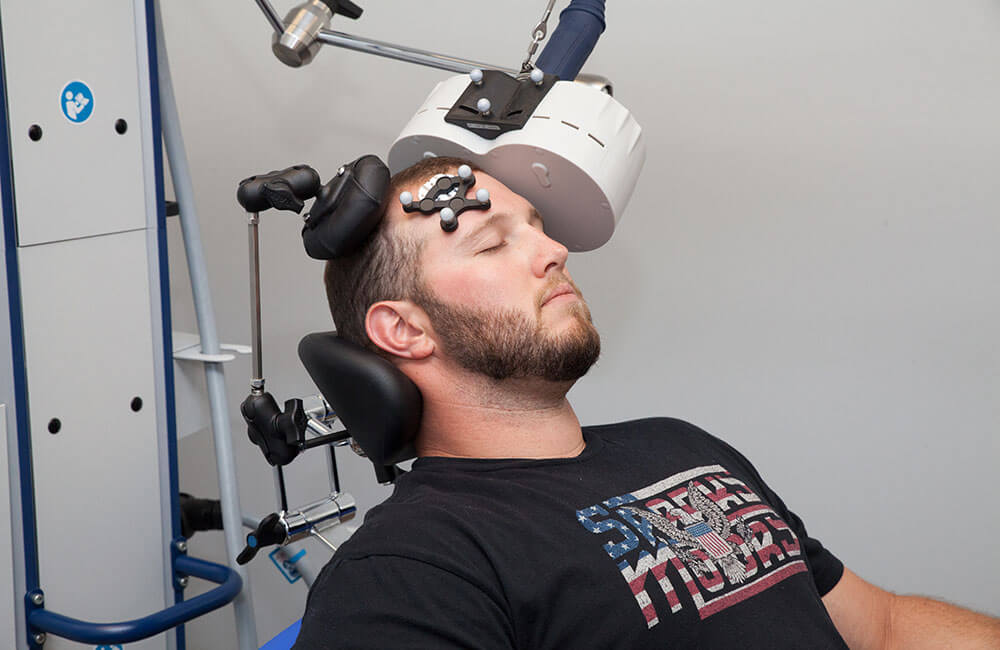
Transcranial Magnetic Stimulation (TMS) therapy has emerged as a revolutionary approach in the treatment of mental health disorders, particularly major depressive disorder (MDD). This non-invasive procedure involves the application of magnetic fields to stimulate nerve cells in the brain. By positioning an electromagnetic coil against the scalp, TMS generates magnetic pulses that penetrate the brain’s surface, targeting regions associated tms near me with mood regulation, such as the prefrontal cortex. This targeted stimulation aims to modulate brain activity and enhance neuroplasticity, which is believed to help alleviate symptoms of depression. Clinical trials and studies have shown that TMS can be an effective option for patients who have not found relief with traditional antidepressant medications or psychotherapy.
One of the key advantages of TMS therapy is its non-invasive nature. Unlike electroconvulsive therapy (ECT), which requires anesthesia and can have significant side effects, TMS is performed while the patient remains awake and alert. The procedure typically lasts between 30 to 60 minutes per session, and patients often experience only mild discomfort or a headache. This minimal invasiveness makes TMS an attractive option for those who are hesitant to undergo more invasive treatments or who have experienced intolerable side effects from other therapies. Furthermore, TMS does not involve systemic effects, as it directly targets specific brain regions without affecting the rest of the body.
The effectiveness of TMS therapy has been supported by a growing body of research. Studies have demonstrated that TMS can lead to significant improvements in depressive symptoms for many patients, with some achieving remission. TMS is typically administered in a series of sessions over several weeks, and ongoing assessments help to track progress and make necessary adjustments. While individual responses to TMS can vary, the therapy has been shown to offer enduring benefits for many patients, making it a valuable tool in the treatment arsenal for depression and potentially other mental health conditions.
Beyond its primary use for depression, TMS therapy is being explored for its potential benefits in treating other mental health and neurological conditions. Research is ongoing into the efficacy of TMS for anxiety disorders, post-traumatic stress disorder (PTSD), and chronic pain. Early findings suggest that TMS may have therapeutic potential in these areas, though more studies are needed to fully establish its effectiveness and safety. The continued development and refinement of TMS technology could expand its applications and offer new avenues for treating a range of psychological and neurological issues.
In conclusion, Transcranial Magnetic Stimulation (TMS) represents a significant advancement in mental health treatment, offering a non-invasive and targeted approach to addressing depression and potentially other conditions. Its ability to provide relief for patients who have not responded to traditional therapies underscores its value in modern medicine. As ongoing research explores its broader applications and refines its techniques, TMS holds promise for improving the quality of life for individuals with challenging mental health issues, offering new hope and opportunities for effective treatment.