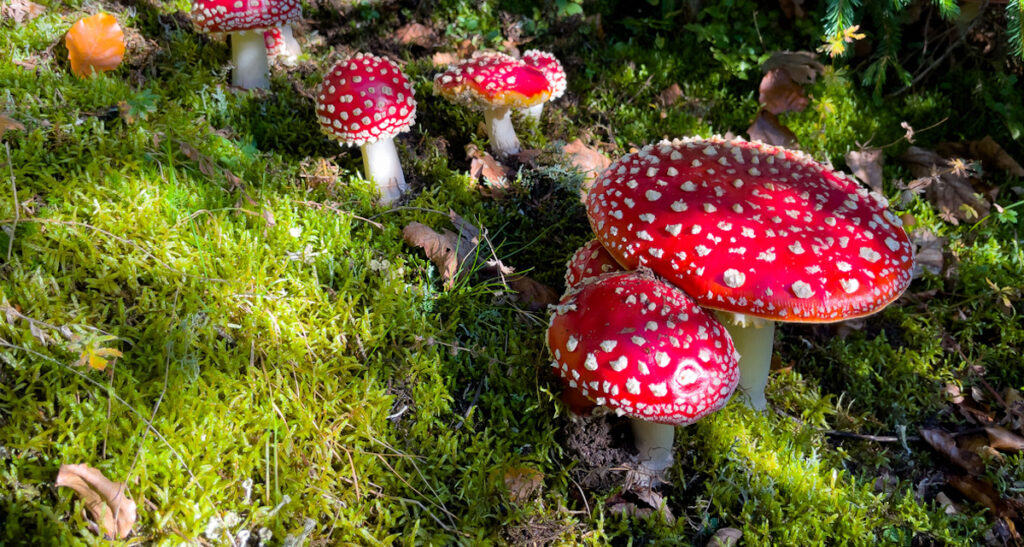
Amanita muscaria, commonly known as the fly agaric, is one of the most recognizable mushrooms in the world due to its bright red cap with white spots. amanita muscaria kappen kaufen Beyond its striking appearance, this mushroom is known for its psychoactive properties, which have fascinated and intrigued humans for centuries. Unlike the more commonly discussed psilocybin mushrooms, Amanita muscaria produces effects through different chemical compounds, mainly muscimol and ibotenic acid, making its psychoactive experience unique and often unpredictable.
The psychoactive effects of Amanita muscaria stem primarily from muscimol, a compound that acts on the brain’s GABA receptors, producing sedative, dissociative, and hallucinogenic effects. Ibotenic acid, another active compound, is a neurotoxin that can convert into muscimol when the mushroom is dried or heated. Users report a wide range of experiences, including vivid visions, altered perceptions of space and time, euphoria, and sometimes delirium. These effects can vary greatly depending on the dose, preparation method, and individual physiology, contributing to the mushroom’s reputation for unpredictability.
Traditionally, indigenous peoples, especially in Siberia, have used Amanita muscaria in shamanic rituals to access spiritual realms or communicate with the spirit world. Preparation techniques such as drying or boiling help reduce the concentration of ibotenic acid, making the mushroom safer to consume and enhancing the muscimol effects. However, even with careful preparation, the risk of unpleasant side effects like nausea, confusion, and muscle twitching remains, underscoring the need for caution.
Modern recreational use of Amanita muscaria is relatively rare compared to psilocybin mushrooms, largely due to its unpredictable effects and potential toxicity. Its use outside traditional contexts carries risks, including poisoning and adverse psychological reactions. Because of this, anyone considering using this mushroom should educate themselves thoroughly and understand the importance of correct identification and preparation. Many experts strongly discourage unsupervised consumption due to these risks.
Scientific interest in Amanita muscaria continues as researchers explore its pharmacological properties and potential therapeutic applications. While its psychoactive compounds act on the central nervous system in distinctive ways, the mushroom’s toxic potential has so far limited clinical use. Nonetheless, ongoing studies aim to better understand how muscimol interacts with brain receptors and whether these properties could be harnessed for medical or psychiatric treatments in the future.
In summary, Amanita muscaria offers a fascinating but complex psychoactive profile. Its unique chemical makeup sets it apart from other hallucinogenic mushrooms, producing effects that are both intriguing and unpredictable. Respect for its power, thorough knowledge of safe handling, and awareness of potential risks are essential for anyone interested in exploring this mushroom’s psychoactive properties. Like many natural substances, it serves as a reminder of the delicate balance between nature’s gifts and dangers.