Cardiopulmonary resuscitation (CPR) is a vital life-saving technique used in emergencies when someone’s breathing or heartbeat has stopped. CPR Trainer For beginners, learning CPR might seem daunting, but the process is actually straightforward when broken down into clear steps. Whether you’re helping a loved one at home or responding to a public emergency, CPR training equips you with the essential skills to make a difference. This article will provide an easy-to-understand, step-by-step overview of CPR for beginners, from recognizing cardiac arrest to performing compressions and breaths.
- Understanding CPR and when It’s Needed
CPR is performed in critical situations where someone has suffered cardiac arrest—when the heart stops beating or beats so irregularly that it can no longer circulate blood effectively. This results in a lack of oxygenated blood reaching vital organs, particularly the brain. Without intervention, death can occur within minutes. CPR helps maintain blood flow until professional medical help arrives, which is why it’s essential to act quickly. CPR can be necessary after events like drowning, choking, electrical shock, or a heart attack. - Assessing the situation: Safety First
Before jumping into action, it’s important to assess the scene for safety. Make sure both you and the victim are out of harm’s way. For example, if there’s a risk of fire or electrical hazards, move the person to a safe location before starting CPR. After ensuring the environment is safe, check the person’s responsiveness by shouting their name or tapping them on the shoulder. If there is no response and they are not breathing (or only gasping), it’s time to begin CPR immediately. - Call for Help
Once you’ve confirmed the need for CPR, the next critical step is to get help. If someone else is nearby, instruct them to call emergency services immediately and get an automated external defibrillator (AED) if one is available. If you are alone, you should call emergency services first before starting CPR, unless you’re performing CPR on a child or infant, in which case you can perform CPR for about two minutes before making the call. This ensures professional help is on the way while you perform CPR. - Chest Compressions: The foundation of CPR
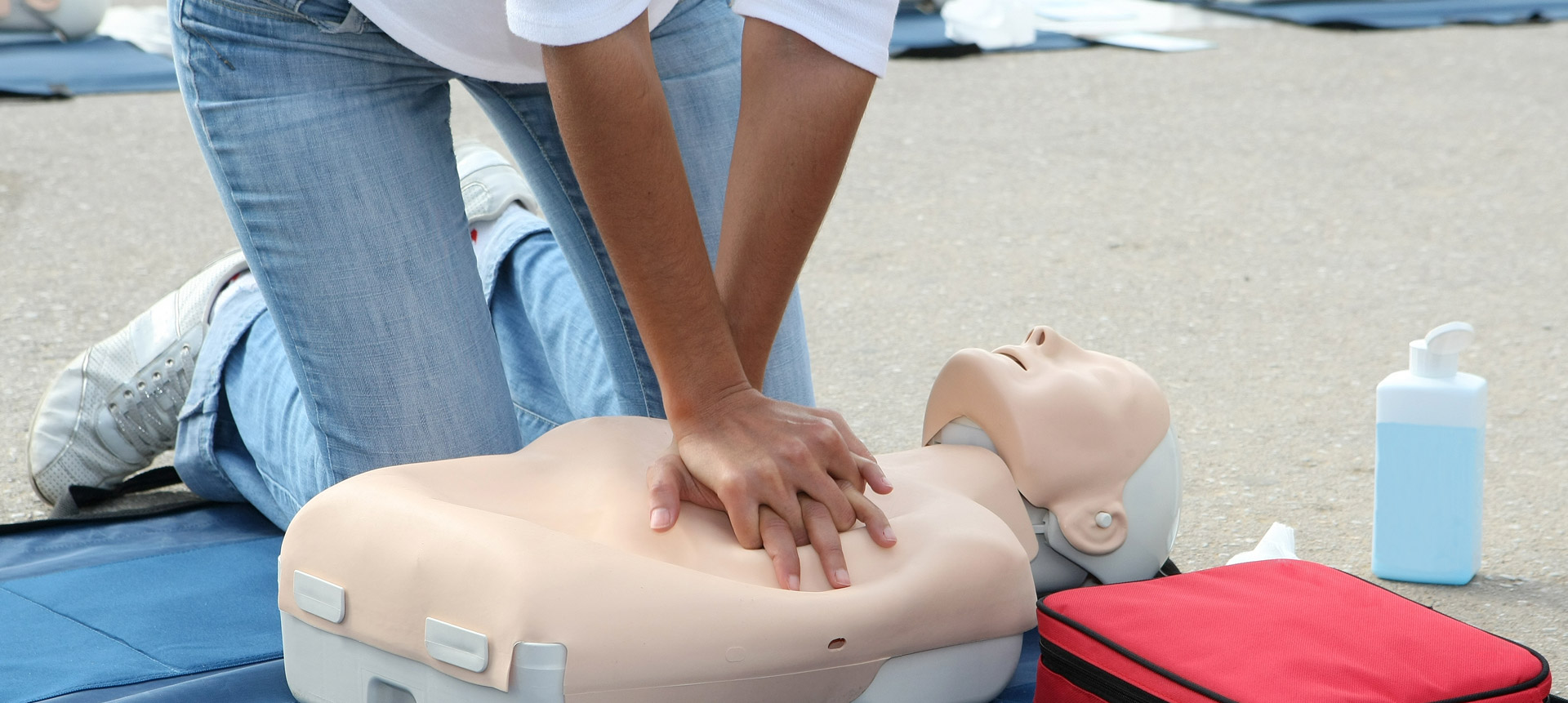
The heart of CPR lies in chest compressions, which help keep blood circulating to the brain and vital organs. Here’s how to perform them correctly:
Position the person on their back on a firm surface.
Kneel beside their chest.
Place the heel of one hand in the center of the chest, right over the breastbone, and place your other hand on top.
Lock your elbows and use your upper body weight to press down hard and fast—about 2 inches deep and at a rate of 100 to 120 compressions per minute. Imagine the beat of the song “Stayin’ Alive” by the Bee Gees to maintain the rhythm.
Let the chest rise completely between compressions.
Perform chest compressions continuously until help arrives or the person starts to show signs of life. These compressions are crucial as they keep the blood moving, ensuring oxygen reaches the brain and other vital organs.
- Rescue Breaths: When and How to Use them
In many cases, hands-only CPR (just chest compressions) is recommended, especially for adults who suddenly collapse. However, traditional CPR, which includes rescue breaths, may be necessary for certain situations, such as for children, infants, or victims of drowning or drug overdose. Here’s how to give rescue breaths:
After 30 compressions, tilt the person’s head back slightly to open the airway.
Pinch their nose shut and cover their mouth with yours, ensuring an airtight seal.
Give two breaths, each lasting about one second, while watching to see if their chest rises.
Continue with cycles of 30 compressions followed by two rescue breaths.
If you’re uncomfortable giving rescue breaths or unsure of how to perform them, focusing solely on chest compressions is still highly effective, especially for adult victims.
- Using an Automated External Defibrillator (AED)
Many public places are equipped with AEDs, which can be lifesavers in cardiac emergencies. AEDs analyze the heart’s rhythm and, if necessary, deliver a shock to help restore a normal heartbeat. Even if you’ve never used one before, AEDs are designed to be user-friendly, with voice prompts guiding you through the process. Here’s a quick overview:
Turn on the AED and follow its instructions.
Place the adhesive pads on the person’s bare chest (the AED will guide you on proper placement).
Step back and allow the AED to analyze the heart rhythm.
If a shock is needed, the AED will instruct you to deliver it.
After the shock, immediately resume CPR, starting with chest compressions.
Using an AED alongside CPR can greatly improve the person’s chance of survival, especially if used within the first few minutes of cardiac arrest.
- Practicing CPR and Staying Certified
CPR is a skill that requires hands-on practice to master, which is why taking a formal training course is highly recommended. Many organizations offer both in-person and online courses, with some even providing CPR certification. Certification courses cover both hands-only and traditional CPR, as well as how to use an AED. Once certified, it’s important to stay up to date with recertification, usually every two years, to ensure you’re familiar with any changes in CPR guidelines and retain your confidence in performing it.
In conclusion, CPR is an essential skill that can be learned quickly and could save someone’s life. As a beginner, understanding the step-by-step process of assessing the situation, performing chest compressions, and delivering rescue breaths is the foundation of effective CPR. With training and practice, you can respond to emergencies with confidence and potentially make a life-saving difference when every second counts.