Introduction: Understanding the Importance
Imagine a factory floor—machines hum, people stay busy, and systems showcase their productivity. But what happens when disruptions occur due to poor data handling or miscommunication? A 2020 survey revealed that 60% of manufacturers face challenges tied to inadequate remote I/O systems—systems that could otherwise streamline processes. In this digital age, the relevance of remote I/O cannot be overstated. Knowing how it functions can mean a world of difference in efficiency and reliability.
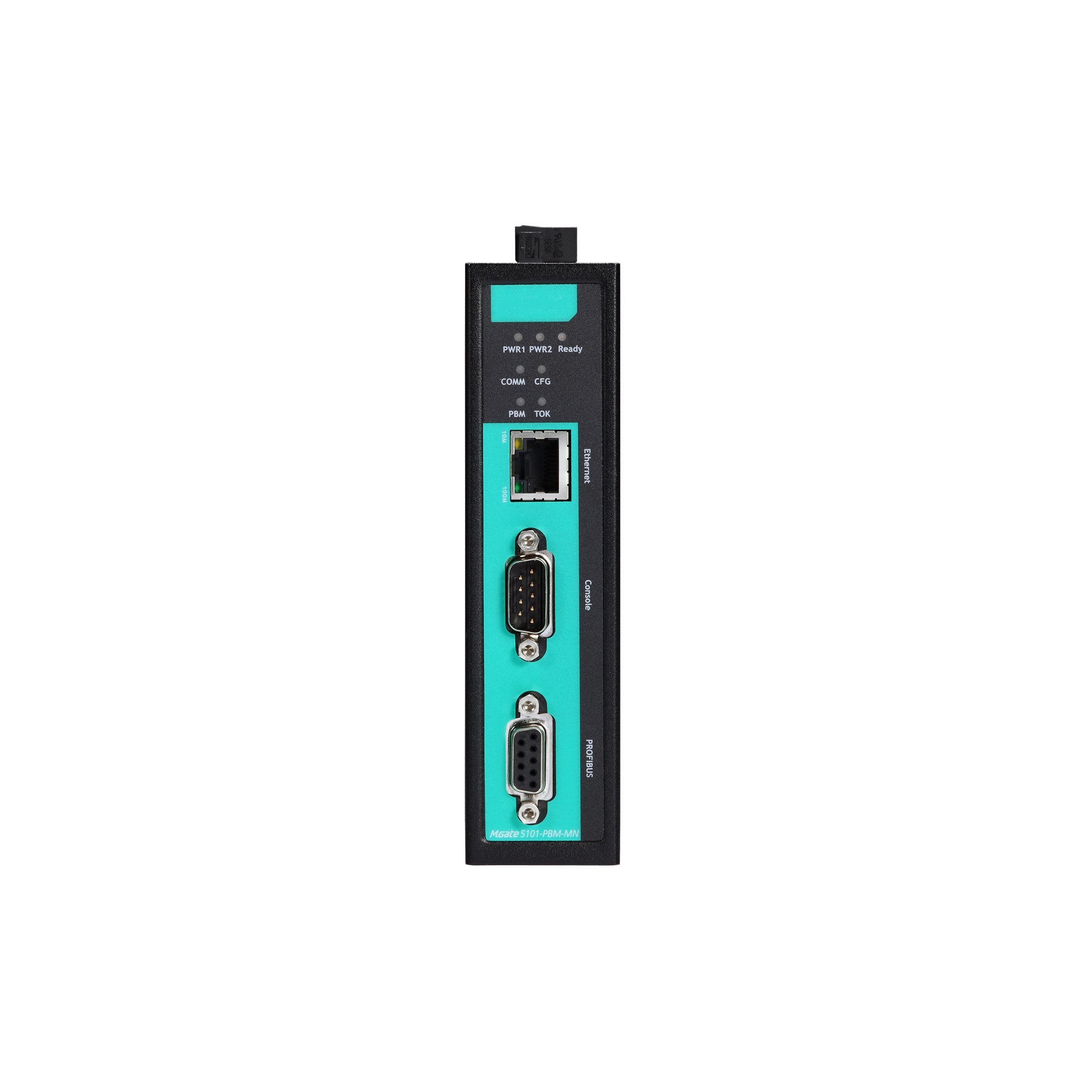
Body: The Mechanics of Remote I/O
Traditional Solutions: Where Things Go Wrong
Older systems are often limited, relying heavily on wired connections which can create bottlenecks—ever experienced delays while waiting on data? These methods not only require more physical resources but also lead to an increased likelihood of failures. For industries where uptime is crucial, these flaws can be costly. Manufacturers need solutions that can eliminate these inefficiencies and enable seamless communication across devices.
Innovative Principles of New Technologies
New technologies, such as wireless communication and cloud integration, empower remote I/O solutions that deliver real-time responses. Look, it’s simpler than you think—by using wireless protocols and decentralized data management, these systems enhance connectivity and reduce response times across various applications. This modern approach shifts the focus from sheer functionality to reliable performance, creating smarter factories that adapt and learn.
Quantifying the Benefits for Users
When businesses adopt these updated systems, they often report significant improvements. A leading industry report highlighted that organizations implementing remote I/O see a 30% increase in operational efficiency. Moreover, less downtime translates to more savings. Just imagine maintaining productivity while minimizing costs—a definite win-win scenario!
Conclusion: Key Metrics for Evaluation
Choosing the right remote I/O solution doesn’t have to be daunting. Always verify these three metrics when selecting a system: ① Compatibility with existing infrastructure ② Scalability to accommodate future needs ③ Security measures in place to protect data. By focusing on these criteria, establishments can ensure their investment leads to long-term benefits and reliability.
Understanding Remote Input/Output
When we talk about remote input/output in automation, we’re focusing on how devices communicate data back and forth efficiently. By ensuring smooth data flow, this technology can minimize human error and streamline operations across manufacturing environments. That said, the ability of machines to relay critical information—from sensors to managers—enhances overall decision-making. For those interested in diving deeper into this topic, consider exploring the advantages of remote input/output systems.
The Role of Data Acquisition Modules
A data acquisition module serves as the linchpin in collecting and processing various data signals from different sources. By integrating these modules, industries can monitor operational status and generate reports that aid timely decision-making. With a plethora of options available, selecting the right data acquisition module can lead to significant enhancements in data integrity and operational insight, forming the backbone of an efficient data management strategy.
In summary, remote I/O plays a critical role in automation, leading to enhanced efficiency and reliability while minimizing traditional pitfalls. As you evaluate your options for remote input/output solutions or data acquisition modules, it becomes clear that trusting the right manufacturer can influence the ease and effectiveness of integration. Brands like DECOWELL stand out for their supply advantages and industry expertise, allowing businesses to make informed decisions with confidence.